When Everyone's Brilliant, Human to Human connection Becomes Your Superpower

We've arrived at a strange inflection point.
It's 2026, and AI isn't coming—it's here. Not in some distant, theoretical sense, but woven into the fabric of how we work. It sits quietly in our workflows like electricity humming through the walls: invisible, essential, unremarkable.
Walk into any conference room today and you'll find something remarkable: everyone is prepared. The 300-page market analysis? Distilled into five razor-sharp insights. Competitor movements? Tracked and synthesized. Financial projections? Current as of nine minutes ago.
AI has done something unprecedented—it has democratized competence itself.
The Abundance Problem
This should feel like victory. And in many ways, it is. We've eliminated the drudgery of information processing. We've freed ourselves from the tyranny of data overload. We've given everyone access to capabilities that, just years ago, required teams of analysts and weeks of work.
But here's the paradox: when competence becomes abundant, it becomes invisible.
When everyone shows up armed with perfect data, flawless analysis, and AI-polished presentations, none of it differentiates you anymore. Technical brilliance has become table stakes. The analytical rigor that once set you apart is now the minimum expected standard.
The playing field hasn't just leveled—it's become a perfectly flat plane where traditional metrics of professional excellence no longer create separation.
What Rises When Everything Else Flattens
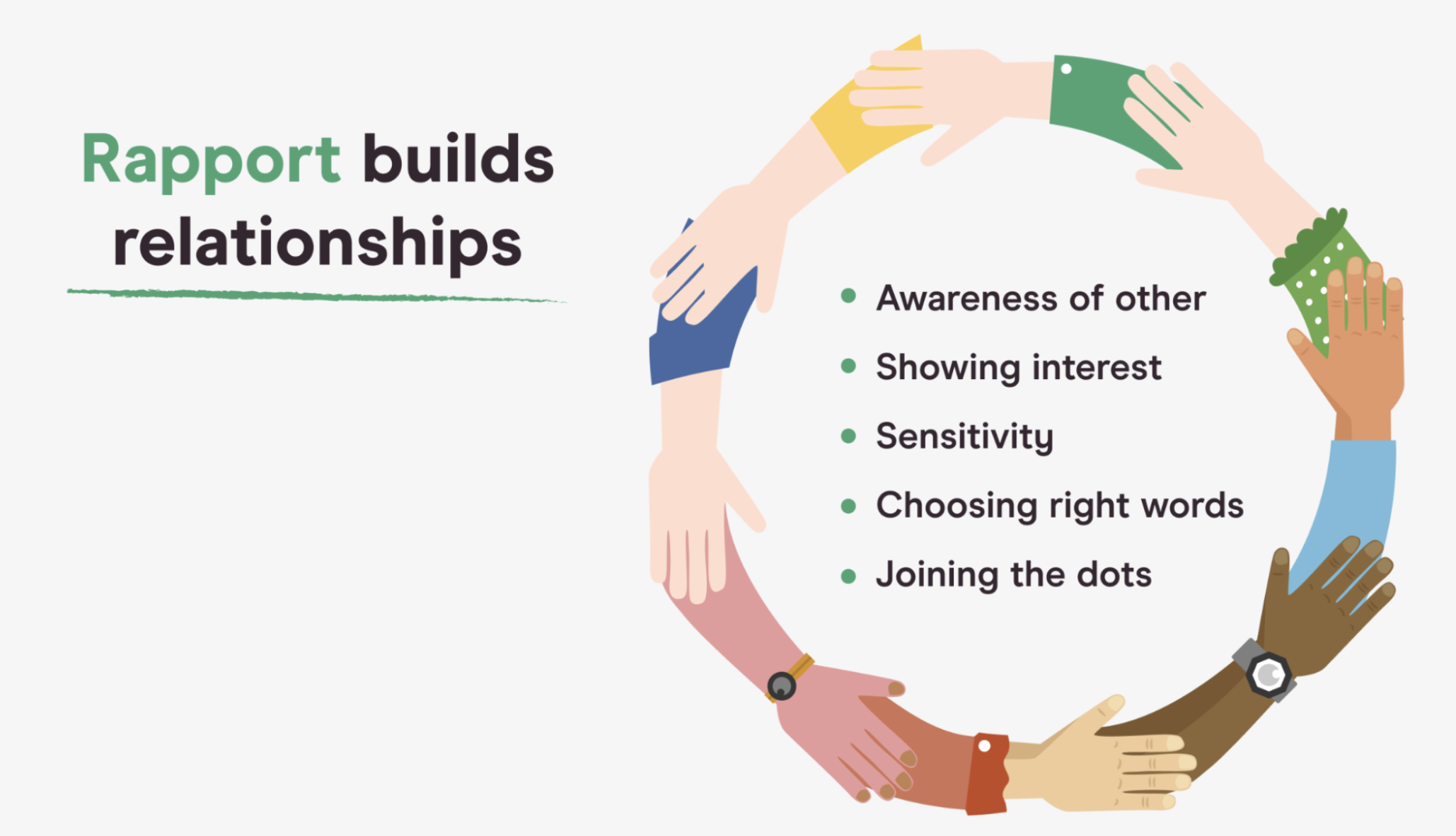
In this landscape of algorithmic equality, something ancient and irreducibly human has suddenly become the scarcest resource: genuine connection.
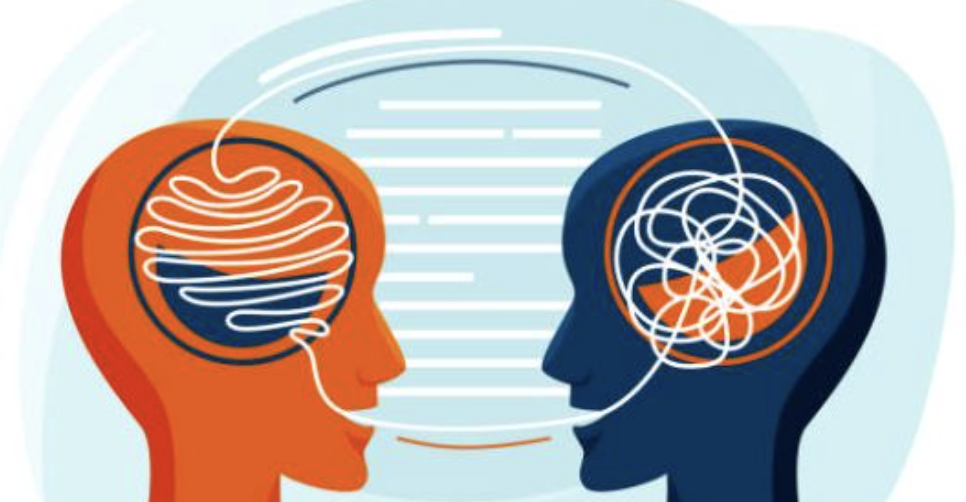
The ability to read a room. To sense when someone's "I'm fine with that approach" actually means "I have serious reservations I'm not voicing." To build the kind of trust that makes people want to follow you into uncertainty. To tell a story that doesn't just inform but moves people to action.
These aren't soft skills anymore. They're the only skills that matter.
The New Playbook
Your technical skills are the cover charge. They get you into the room. AI ensures that everyone who makes it through the door has roughly equivalent analytical firepower. But they don't determine what happens once you're inside.
Your human to human connection is your competitive advantage. The persuasiveness of your pitch doesn't come from your data—everyone has equally good data. It comes from your ability to connect that data to something people care about, to make them feel something, to help them see themselves in the story you're telling.
Empathy is strategic. Understanding what your colleague is really asking for, what your client is actually worried about, what drives your team beyond their job descriptions—this is intelligence that no model can replicate because it requires being human, with human stakes, in human relationships.
Trust is the ultimate moat. In a world where anyone can generate a convincing argument for anything, trust becomes the filter. People don't just want to know you're competent—AI has made that boring. They want to know you're someone who will have their back when the analysis runs out and judgment calls begin.
The Uncomfortable Truth
This shift is uncomfortable because many of us built our careers on being the person who knew more, analyzed better, or worked harder than everyone else. We were rewarded for our capacity to process and produce, and we got very good at it.
AI hasn't made us obsolete. But it has made that version of professional value—the version based purely on cognitive horsepower—insufficient.
The professionals who will thrive in 2026 and beyond aren't necessarily the ones who embrace AI most enthusiastically. They're the ones who recognize that AI's rise has paradoxically made the most human parts of work—the messy, intuitive, relational parts we spent decades trying to minimize—absolutely central.
Welcome to the Human Era
We're entering a phase where your career advancement depends less on what you know and more on how you make people feel. Where influence flows not from authority but from authenticity. Where the most valuable thing you bring to any meeting isn't your preparation—it's your presence.
The machines have gotten very good at thinking.
Now it's time for us to get very good at being human.