Why Real-Time Sales Coaching Beats Coaching From Recordings

Why Real-Time Sales Coaching Beats Coaching From Recordings
Short answer: Sales teams coach from call recordings because, for the last twenty years, recording and replaying was the only thing the technology could do — not because it's the best way to develop a rep. AI now sits inside the live call, which means feedback can finally arrive in the moment that decides the deal, instead of in a Friday recap of one that's already lost.
Every sales manager agrees on one thing: real-time feedback is where learning happens. So why do we still coach from recordings?
Why do sales teams still coach from call recordings?
Because that's all the tech could do. Twenty years ago, the only way to study a sales conversation was to capture it and replay it later. That's the muscle the whole industry built — not because it was the best way to develop a rep, but because it was the available way.
We're not in 2005 anymore. We have AI sitting in the call. And we're still handing reps a transcript on Friday, asking them to relive a deal they already lost on Tuesday.
By then the call is gone. Not just the words, but the state they were in: the pressure, the load, the room they were reading. You can replay the transcript. You can't replay the moment. And the moment is the part that mattered.
Don't AI note-takers already solve this?
No. AI note-takers record the call and then surface "coaching stats" — some during, most after it ends. More dashboards. More numbers to interpret. More homework.
That's not lifting the cognitive load off the rep. That's adding it and calling it coaching. A summary delivered after the call is still post-hoc review with a faster turnaround. It moves the recap from Friday to that afternoon. It doesn't move the feedback into the conversation, which is the only place it can change the outcome.
Isn't real-time feedback too distracting for reps?
Would it though? The rep we're "protecting" from distraction already has three or more tabs open mid-call — notes, the deck, Slack lighting up in the corner. They're already managing live inputs in every single conversation.
The idea that a rep can't handle a quiet nudge in the moment, but can handle a 47-minute recording, a scorecard, and a calendar invite three days later — that's backwards. The question was never whether reps can process live input. They already do. The question is whether the input arrives when it's useful or after it's useless.
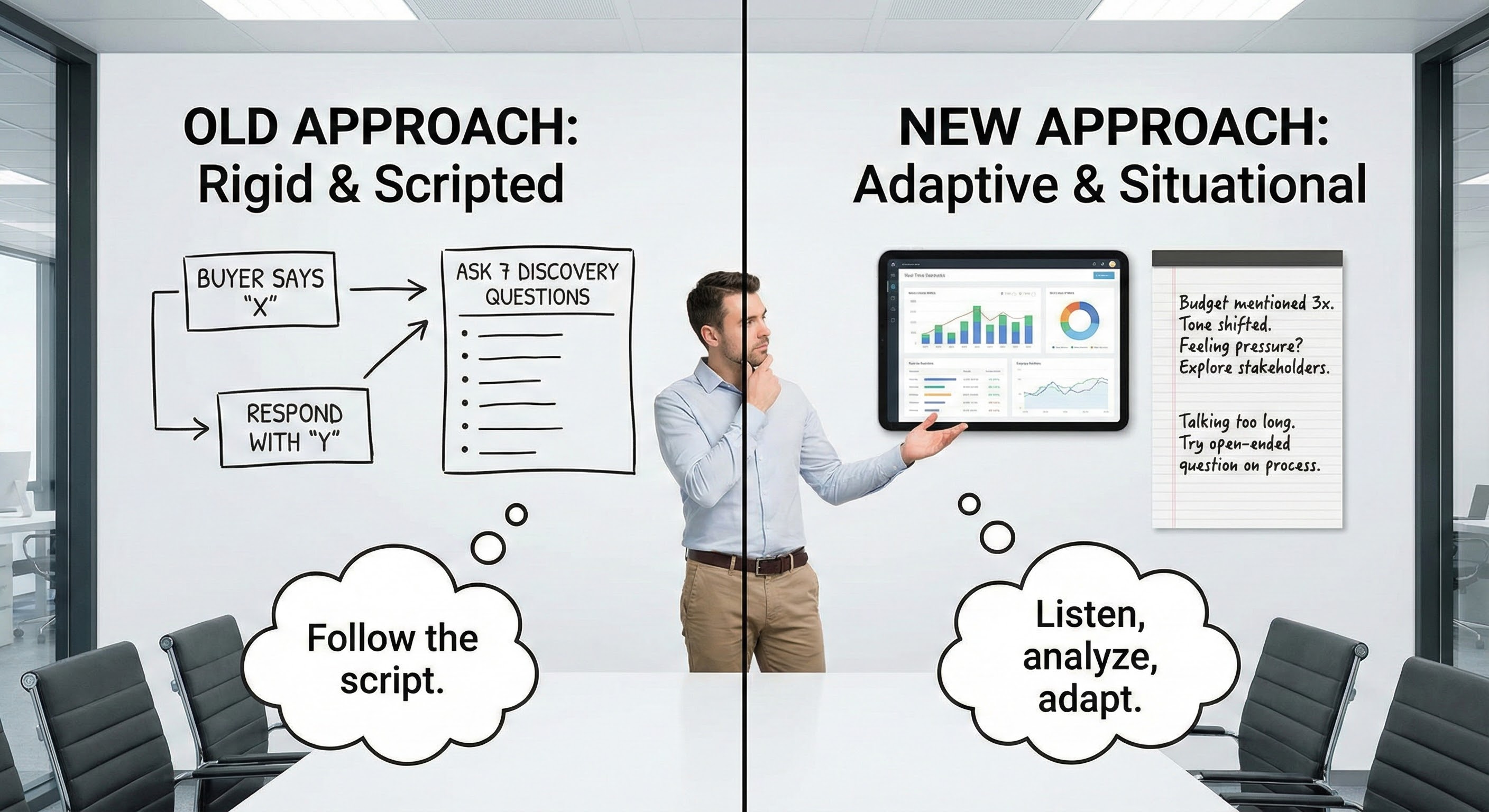
Recording-based review vs. real-time coaching
Recording-based reviewReal-time coaching
When feedback lands: Hours to days after the call vs Inside the live conversation
What it captures: The transcript,words only vs the moment , pressure, load, the room
Cognitive load on the rep: Added (dashboards, stats, homework) vs Reduced (a nudge, then silence)
Can it change the outcome? No the deal is already decided vs. Yes while the call is still in play
What is real-time sales coaching?
Real-time sales coaching is feedback delivered to the rep during the live conversation — not in a post-call recap — so the input arrives while it can still change the outcome.
The distinction that matters: recording-based tools are built to capture the moment better. Real-time coaching is built to be in the moment. The rep is the one in the conversation. The one who has to land the next question, read the room, and recover when a deal wobbles. That's where the help has to show up. Live.
The takeaway
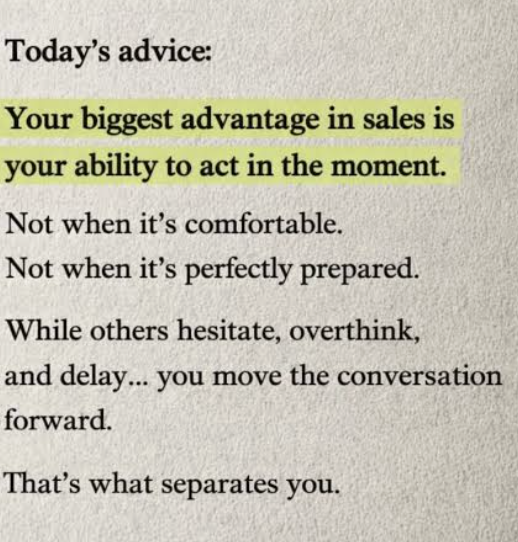
If real-time feedback is gold — and every leader says it is — then the job isn't to capture the moment better. It's to be in the moment, while it can still change the outcome.
We finally have the technology to put feedback where learning actually happens. So why are we still pointing it at the past?
FAQ
Is coaching from call recordings effective?Recordings are useful for documentation and pattern-spotting, but they coach the past. The feedback lands after the deal is decided, so it can inform the next call but can't change the one being reviewed.
How is real-time coaching different from an AI note-taker?An AI note-taker records and summarizes, then delivers stats during or after the call. Real-time coaching surfaces the right nudge inside the conversation and stays silent the rest of the time — help, not homework.
Does real-time feedback distract sales reps?Reps already manage multiple live inputs mid-call. A single well-timed nudge adds less load than a recording, a scorecard, and a follow-up review delivered days later.
When is the best time to give a sales rep feedback?During the live conversation, while the rep can still act on it — not in a recap after the call has ended.